Altab Ali Foundation - Commemorating the 'Battle of Brick Lane' 1978

Altab Ali

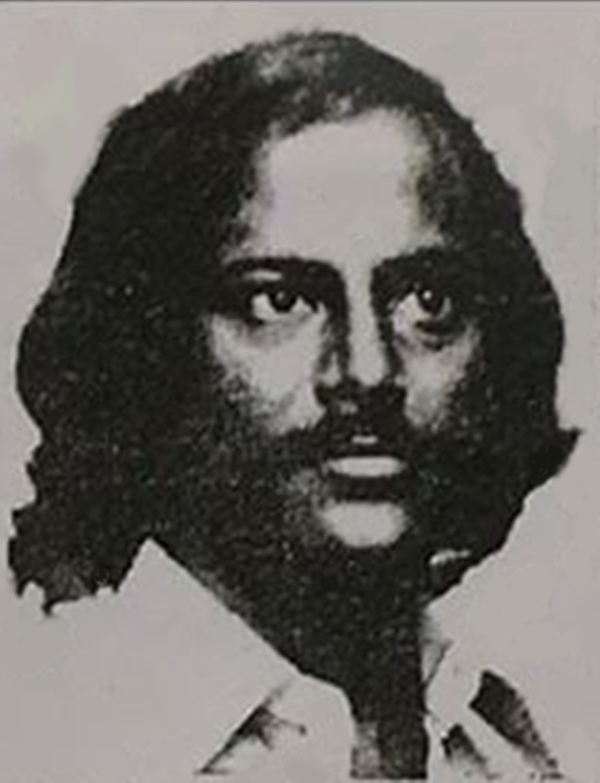
Altab Ali Portrait

In the 1970s the Bangladeshis throughout the UK, particularly in the East End of London, became victims of intolerable racist attacks by the Nazi 'National Front' organisation and associated vicious racist skinhead groups. The first generation Bangladeshis in the UK were incapable of defending themselves, primarily because they were peace-loving and believed that they were no match for the racist thugs. They also felt that by taking direct action they would make the situation worse. Many were of the opinion that they had come to the UK to work and would then return to their country. They naturally looked to the authorities to take action to stop such racist attacks. However, they found that the authorities always turned a blind eye to the problem.

Because of this attitude, the Bangladeshis suffered as silent victims of racist attacks. Every Sunday, Brick Lane attracted the anti-racist groups and individuals from all over London to fight the National Front. As a result Brick Lane became a battlefield. Some Bangladeshis thought of leaving the UK for the safety of their lives. However, when Altab Ali, a young Bangladeshi, was brutally murdered by the racists on 4th May 1978, there was a sea-change in the attitude of the Bangladeshi community.

Continue reading


Come what may, we are here to stay
Here to stay, here to fight

These were two of the most significant slogans of the Bengali Resistance Movement in East London during the 1970s.

The powerful documentary below features five former anti-racist activists who revisit the harrowing period of the 1970s in East London. At that time, the vulnerable Bangladeshi community faced constant attacks from racists and fascists. It illustrates how this peaceful community transformed into a determined force, rallying under the above slogans and successfully fought back against racist attacks they encountered.

Jamal Hasan

Altab Ali and the 'Battle of Brick Lane'

Unlike the 'Battle of Cable Street' which was fought and won on the same day (4th October 1936), the 'Battle of Brick Lane' lasted nearly a decade. It came to a climax on 4th May 1978 when Altab Ali, a young Bangladeshi, was brutally murdered by racist thugs; a tragic event which sparked the beginning of the end for the 'Battle of Brick Lane'.

Historically, because of the East India Dock, East London had been a popular spot for the immigrants to enter the UK and many settled in the area due to its closeness to the city and few moved elsewhere in the UK. This concentration of immigrant communities attracted the attention of racists and the fascists thriving in East London and the area has a long history of racism and fascism.

The appearance and the character of the racist thugs changed over the decades. In 1930s Mosely's Hitler-styled uniformed thugs known as the 'Black Shirts' had tried to get rid of the Jewish community from the UK; smartly dressed 'Teddy Boys' in the late 50s and early 60s wanted to keep 'Keep Britain White' and called for the repatriation of African-Caribbean communities; and in the 70s, the 'Skin Heads' terrorized Asians with their 'Paki-Bashing' practices. Prior to the early 70s Asians had not been widely subjected to racial attacks and when we started to experience racial harassment and became victims of such attacks, we were not capable of defending ourselves (in contrast to Jewish and African-Caribbean communities).

Continue reading